
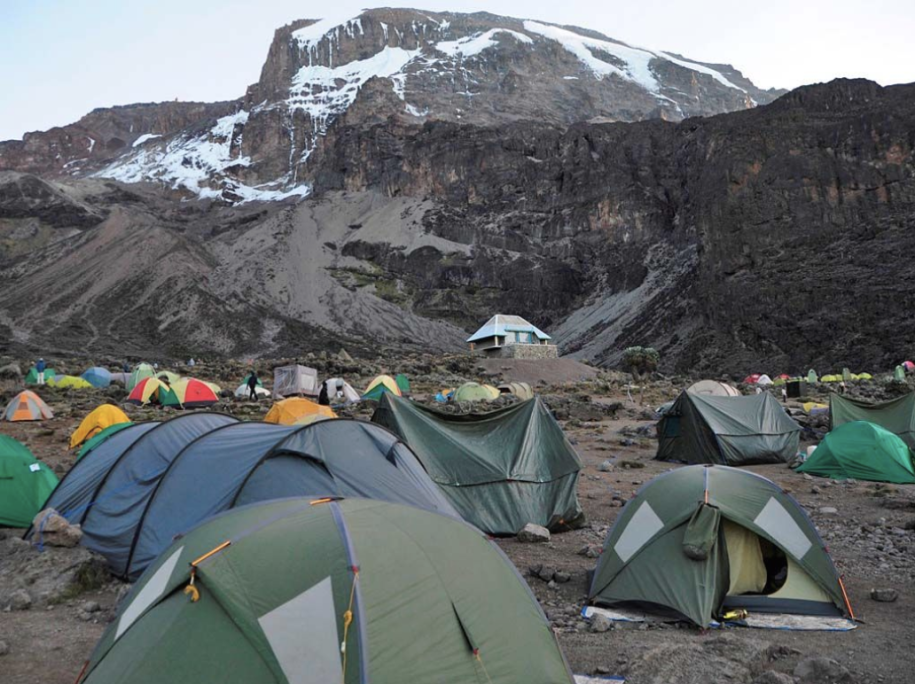
If you’re planning to climb Africa’s highest peak, understanding FOOD ON MT. KILIMANJARO is just as important as choosing a reliable guide service or preparing your gear. Food plays a major role in keeping your body warm, energized, and resilient against the challenges of altitude. Since your body burns more calories at higher elevations due to cold air and reduced oxygen, every meal becomes fuel for a safer and more comfortable climb.
Why Proper Nutrition Matters at High Altitude
At altitudes above 3,000 meters, your body starts consuming energy at a faster rate. You breathe harder, your heart pumps faster, and your muscles work overtime. Proper nutrition helps:
- Maintain stamina
- Regulate body temperature
- Reduce altitude-related fatigue
- Support better sleep
- Prevent muscle loss
How Trekking Companies Prepare Meals on the Mountain
Most Kilimanjaro trekking companies bring a dedicated cook and a team of porters who transport fresh ingredients, cooking stoves, and dining equipment. Meals are usually served in a mess tent, protecting climbers from wind and cold. Despite the challenging environment, the food is often surprisingly delicious and varied.
Daily Meal Structure During a Kilimanjaro Trek
Breakfast Options: Fueling Up for the Day
Breakfast is the first big source of energy before climbers begin long hiking hours. Expect warm, comforting foods designed to kick-start your metabolism.
Carbs and Proteins for Morning Energy
Common items include:
- Porridge (oatmeal, millet, or cornmeal)
- Eggs cooked in different styles
- Pancakes or crepes
- Toast with butter, honey, or jam
- Sausages
- Fresh fruits
- Hot drinks like tea, coffee, and cocoa
Breakfast plays a huge role in keeping you energized through 4–6 hours of trekking.
Lunch on the Trail: Hot Meals vs. Packed Meals
Lunch varies depending on the day’s route. Some days you’ll enjoy a hot lunch in a camp; on more strenuous days, you’ll receive a packed lunch to eat during a break.
Light, Balanced Midday Foods
Typical lunch foods include:
- Sandwiches with cheese, peanut butter, or eggs
- Chicken or beef pieces
- Vegetable soup
- Pasta, rice, or potatoes
- Fresh vegetables
- Juice or tea
It’s lighter than dinner but still gives you a reliable energy boost.
Afternoon Tea: Snacks for Warmth and Comfort
Once you reach camp, you’ll be greeted with warm drinks and snacks such as:
- Popcorn
- Biscuits
- Nuts
- Crackers
- Cookies
This is one of the most relaxing moments of the day a chance to unwind after hours of hiking.
Dinner on Kilimanjaro: The Heaviest Meal of the Day
Dinner is meant to replace all the calories you burned and prepare your body for a cold night.
Soups, Stews, and High-Energy Staples
Dinner usually includes:
- Hot soup (pumpkin, carrot, vegetable, or tomato)
- Stews with chicken or beef
- Rice, spaghetti, or potatoes
- Cooked greens
- Chapati or ugali
- Fruits
- Tea, coffee, or cocoa
The warm soup helps you stay hydrated, which is crucial in cold environments.
Accommodating Special Dietary Needs
Vegetarian and Vegan Options
Cooks can easily prepare plant-based meals, including:
- Vegetable stews
- Beans and lentils
- Rice and potatoes
- Fresh fruits
- Peanut butter
Gluten-Free Alternatives at High Altitude
If you’re gluten intolerant, most companies can provide:
- Rice-based dishes
- Maize porridge
- Potatoes
- Fresh vegetables and fruits
Always inform your operator before your trek.
Leave a Reply