
About Safari
What Is a Safari?
A safari is an overland journey or expedition most famously in Africa designed to observe and photograph wild animals in their natural habitat. The word safari comes from the Swahili language, meaning “journey.” Today, a safari represents a deep connection with nature, wildlife, landscapes, and local cultures.
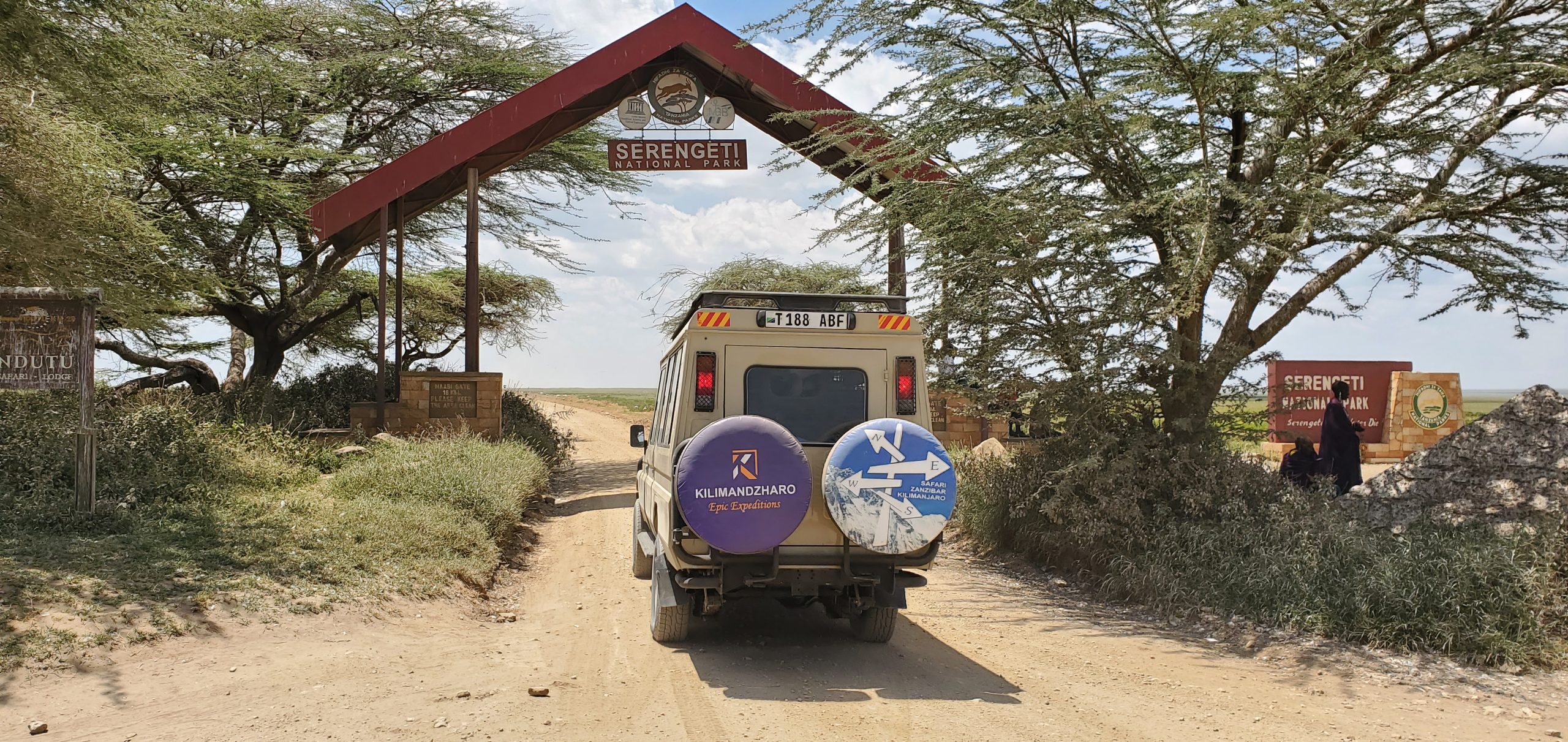
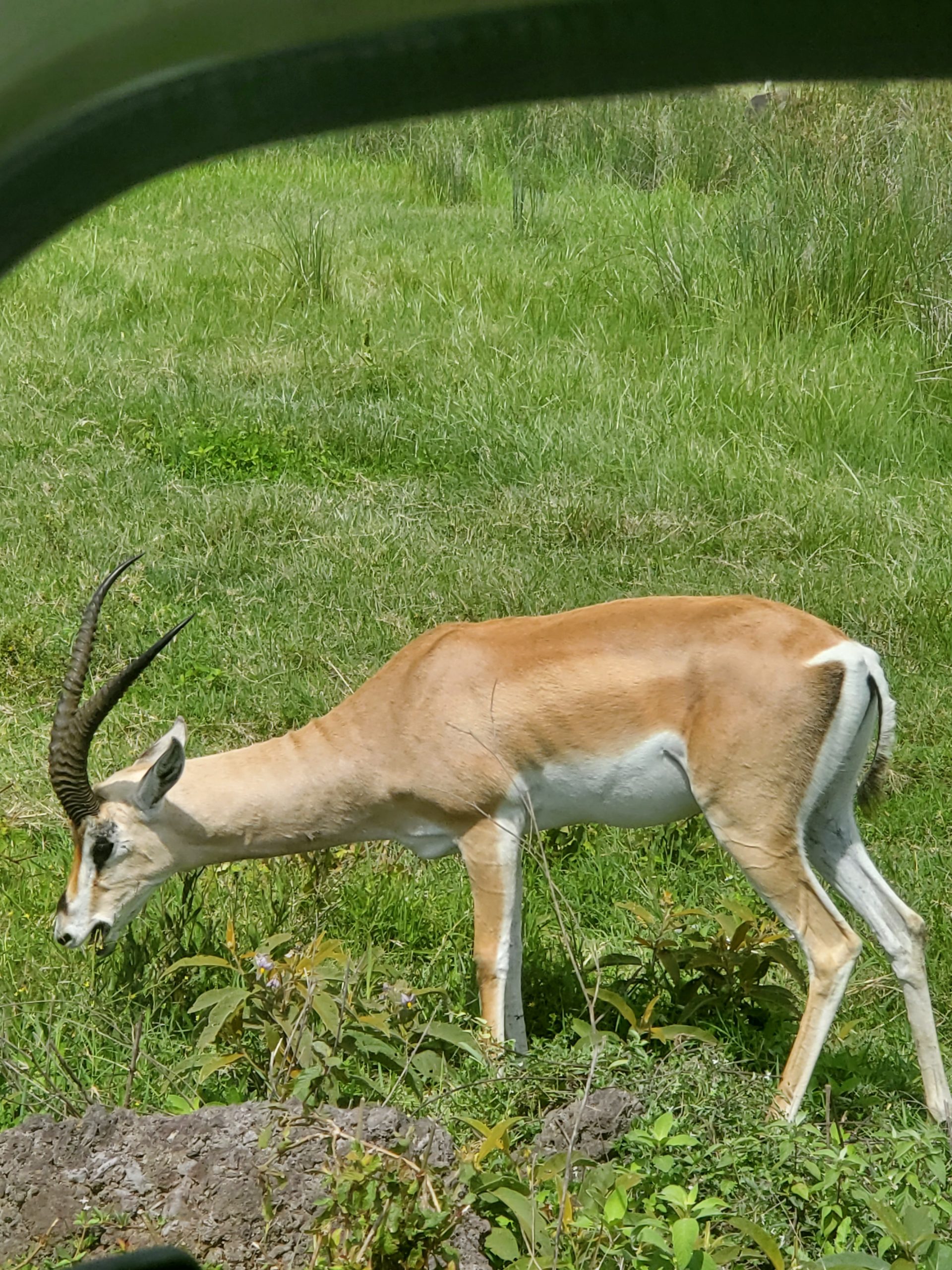
The History of the African Safari
Early Origins
Historically, safaris were long journeys taken by African traders and explorers for trade, migration, or exploration. These journeys were not about leisure but survival and discovery.
Colonial Era
In the late 19th and early 20th centuries, safaris became popular among European explorers and aristocrats. During this period, safaris were largely hunting expeditions, often targeting large animals such as lions, elephants, and buffalo. This era, while significant historically, led to wildlife decline in many regions.
Transition to Conservation
By the mid-20th century, attitudes toward wildlife began to change. African governments established national parks and game reserves, shifting the safari focus from hunting to conservation, protection, and sustainable tourism.
The Modern Safari
Today’s safari is centered on ethical wildlife viewing, conservation, and education. Visitors experience nature responsibly, ensuring wildlife and ecosystems are preserved for future generations.
The Modern Safari Experience
A modern safari is an immersive journey into the African wilderness, offering unforgettable encounters with wildlife and breathtaking landscapes.
Game Drives
Game drives are the heart of most safaris. Guests explore national parks and reserves in specially designed 4×4 vehicles with pop-up roofs, accompanied by professional guides. Drives usually take place:
-
Early morning
-
Late afternoon
These times offer the best chances to see animals when they are most active.
Wildlife Viewing
One of the biggest highlights is spotting the legendary Big Five:
-
Lion
-
Leopard
-
Rhinoceros
-
Elephant
-
Cape Buffalo
In addition, guests commonly see:
-
Giraffes
-
Zebras
-
Cheetahs
-
Hippos
-
Crocodiles
-
Antelopes
-
Hundreds of bird species
Each safari is unique no two days in the wild are ever the same.
Safari Accommodations
Safari accommodations suit every travel style:
-
Budget Camping – Authentic and adventurous
-
Mid-range Lodges – Comfort and great value
-
Luxury Lodges & Tented Camps – High-end comfort with amenities like spas, private decks, and infinity pools
Many lodges are located inside or near parks, allowing guests to hear wildlife sounds at night.
Other Safari Activities
Depending on the destination, safaris may also include:
-
Walking Safaris with armed rangers
-
Boat Safaris in lakes and wetlands
-
Hot Air Balloon Safaris over the savannah
-
Cultural Visits to local communities such as the Maasai
Popular Safari Destinations in Africa
Although safaris exist worldwide, Africa remains the most iconic safari continent.
Tanzania
Tanzania is among the top safari destinations in the world, offering vast wilderness and exceptional wildlife density.
-
Serengeti National Park – Famous for the Great Wildebeest Migration
-
Ngorongoro Crater – One of Africa’s most wildlife-rich ecosystems
-
Tarangire National Park – Known for large elephant herds and baobab trees
-
Lake Manyara National Park – Tree-climbing lions and birdlife
Kenya
Kenya is closely linked with classic safari imagery.
-
Maasai Mara National Reserve – A key stage of the Great Migration
-
Renowned for large lion prides and open savannah landscapes
Why Choose a Safari?
A safari is more than a holiday—it is a life-changing experience that offers:
-
Close encounters with wildlife
-
Stunning natural scenery
-
Cultural understanding
-
Adventure and relaxation
-
Support for conservation and local communities