
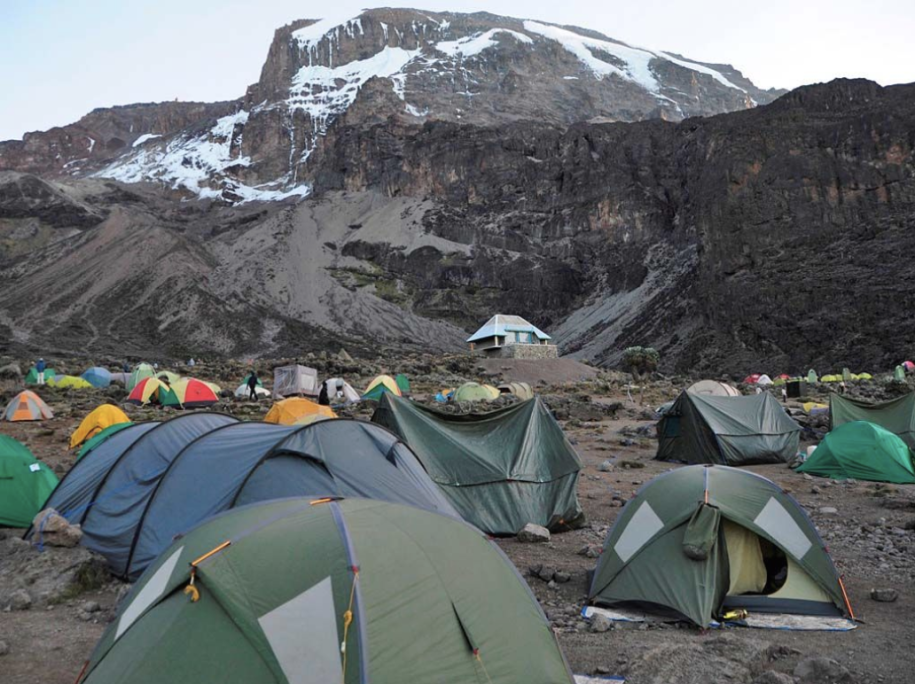
- What is Mount Kilimanjaro’s elevation?
Mount Kilimanjaro is 5,895 meters (19,341 feet) above sea level, making it the highest peak
in Africa; one of the Seven Summits and the highest free standing Mountain in the World.
- How difficult is it to climb Mount Kilimanjaro?
Mount Kilimanjaro trek is neither as hard nor as easy as it may sound from folklore stories or
depending on an individual experience. It may rather be a result of individual fitness levels
and biological factors despite of its unpredictable daily weather changes.
While Kilimanjaro is a non-technical climb, meaning no ropes or specialized equipment are
required, it’s still posing challenges due to its altitude and endurance demands. Many
climbers experience altitude sickness, and a good preparation from physical fitness to
mountain hiking equipments is very essential.
- What routes are available for climbing Kilimanjaro?
Kilimanjaro has seven main trekking routes to the Summit popularly known as the Uhuru
Peak:
o Marangu Route: Known as the “Coca-Cola” route, it’s the only one with hut
accommodations.
o Machame Route: Popular and scenic, offering varied terrain.
o Lemosho Route: Known for high success rates and beautiful views, typically done
over 7-8 days.
o Rongai Route: Approaches from the north, often drier, making it great for rainy
seasons.
o Shira Route: Begins at a higher altitude, generally chosen by experienced hikers.
o Northern Circuit: The longest route with high success rates, providing
acclimatization opportunities.
o Umbwe Route: The steepest and most direct route, best for experienced climbers.
- How long does it take to climb Kilimanjaro?
Most treks last 5-9 days, depending on the route chosen and the climber’s pace. Longer
treks improve acclimatization and success rates.
- When is the best time to climb Mount Kilimanjaro?
The best months are during the dry seasons: January to mid-March and June to October.
During these times, weather conditions are more favourable, and there’s less rain.
- What kind of weather can I expect on Kilimanjaro?
Kilimanjaro has multiple climate zones. Starting in tropical forests, temperatures are warm,
but they decrease rapidly. At the summit, temperatures often fall below freezing, and
climbers face snow and high winds.
- Do I need a permit to climb Kilimanjaro?
Yes, permits are required and are included in the package prices from licensed tour
operators. Independent climbing is not allowed.
- Do I need to be an experienced climber?
No technical climbing skills are needed, but good fitness is essential. Endurance training and
a high tolerance for altitude are beneficial.
- How safe is it to climb Kilimanjaro?
With proper acclimatization, safety measures, and professional guides, climbing is relatively
safe. However, altitude sickness is common and should be taken seriously. Having travel
insurance is recommended.
- What is altitude sickness, and how can I avoid it?
Altitude sickness occurs due to low oxygen at high altitudes, with symptoms like headaches,
nausea, and dizziness. To minimize risks, choose a longer route for better acclimatization,
hydrate well, and go slowly.
- What should I pack for the climb?
Essentials include layered clothing, a warm sleeping bag, waterproof gear, sturdy hiking
boots, gloves, hats, sunscreen, and snacks. Tour operators often provide a detailed packing
list.
- Do I need vaccinations or medications?
Yes, it’s recommended to have vaccinations for diseases like yellow fever and typhoid. Anti-
malaria medication is advised if you’ll be traveling in malaria-prone areas around
Kilimanjaro.
- How much does it cost to climb Kilimanjaro?
Costs vary based on the route, length, and service level. Expect to pay between $1,500 to
$5,000 per person. This typically includes park fees, guide fees, food, and accommodations.
- How can I train for Kilimanjaro?
Training should focus on building endurance, stamina, and leg strength. Hiking with a loaded
backpack, cardio workouts, and strength training are recommended at least 3-6 months
prior.
If you’re considering climbing Kilimanjaro, planning well and choosing a reputable tour operator can
make for a rewarding and safe adventure. Let me know if you’d like more in-depth info on any of
these topics!
Leave a Reply