
Mount Kilimanjaro is one of the world’s most iconic trekking destinations, attracting adventurers from every corner of the globe. When planning a climb, choosing the BEST TIME TO VISIT KILIMANJARO is one of the most important decisions you’ll make. Weather shifts, trail conditions, and crowd levels can change dramatically throughout the year, affecting your chances of reaching the summit safely.
You can climb Mount Kilimanjaro at any time of the year, but some months offer better weather, clearer views, and safer trail conditions. The most recommended seasons are January to early March and June to October. These months provide dry weather, bright skies, and comfortable trekking conditions.
The months of April and November are generally avoided because they fall during the rainy seasons, which make trails slippery and visibility poor.
January – February – Early March
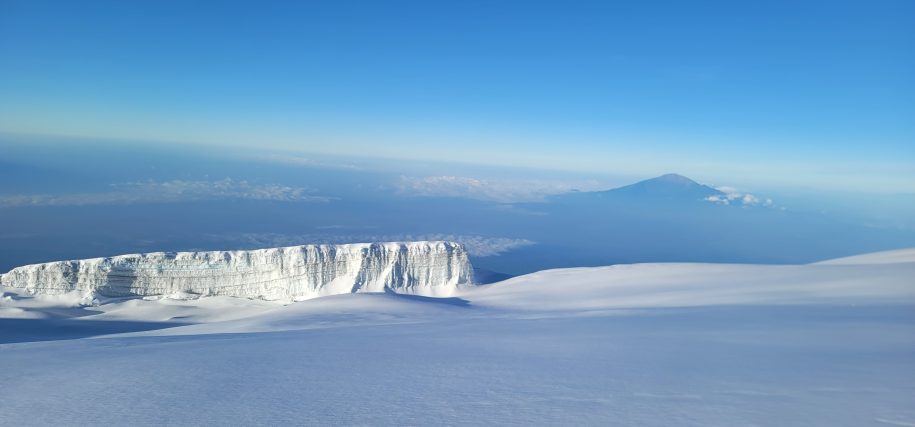
These months provide some of the most reliable trekking conditions. Days are usually dry and clear, with excellent visibility. At higher altitudes (above 14,000 ft), you may experience snow, which can make for stunning photographs.
Although it is considered “high season,” it’s still less busy compared to June–September.
Best for:
Trekkers who want good weather and fewer crowds, with the possibility of snow at the summit.
March – April – May
Early March can still have pleasant conditions, but as the month progresses, rainfall increases. Trails become muddy, skies often turn cloudy, and visibility decreases. Late March and late May can offer some decent weather, but it’s unpredictable.
April and early May are the long rains, making these months unsuitable for climbing.
If you must climb during these periods, be prepared for wet conditions and reduced visibility. Prior trekking experience is recommended.
Best for:
Experienced hikers who prefer solitude and don’t mind challenging, wet conditions. The northern routes are recommended because they receive less rainfall.
June – July – August – September
This period is considered the main climbing season. The weather is mostly dry, visibility is excellent, and temperatures are comfortable, especially at the lower elevations.
Because this period coincides with summer holidays in Europe and the US, trails especially Machame and Marangu can get busy. For fewer crowds, opt for June or September.
Best for:
Trekkers seeking the most stable weather and an enjoyable hiking experience, even with larger crowds.
October – November
November brings the short rains, typically lasting 3 4 weeks. The rainfall is lighter than the long rains and often comes in the late afternoons. Visitor numbers drop significantly during this period.
The Northern Circuit Route is the best option, as the northern slopes receive less rainfall.
Best for:
Climbers who want an uncrowded mountain and can handle occasional wet conditions.
Important Considerations When Planning Your Climb
Weather
Kilimanjaro is close to the equator and experiences rainy and dry seasons rather than four traditional seasons.
The best trekking conditions occur in January early March and June October, when skies are clear and temperatures are mild.
Temperature
Temperatures vary by altitude and season.
The summit region is classified as Arctic, with temperatures always below freezing.
December–March and June tend to be colder, often bringing snow at the top.
Leave a Reply